Gator
Expertise, within reach. Even when your hands aren’t.
Sole product designer · Zero to one in six weeks · iOSInside the productThe problem
A technician is standing in front of a broken air conditioner. They need an answer in 30 seconds, not 30 minutes.
Sole product designer, working directly with the founder: discovery, a storyboard of the happy path, the end-to-end flow and the prototype.
Zero to one
From the first conversation to a complete MVP, defined and prototyped
Unique screens in a full click-through prototype, every state documented
Field support, rethought
Point the phone at the unit, scan the label and start talking.
HVAC technicians work alone, often in unfamiliar buildings, on equipment they may never have seen. When they get stuck, the options are bad: call a senior tech who might not answer, dig through a 400-page PDF on a phone screen, or guess.
Gator turns field support into a conversation.
Why not just ask a general chatbot? Because Gator is trained on manufacturers’ equipment catalogs, so once it knows the exact unit, every answer is about that unit. That’s why the design keeps the unit in view, turns repair into guided steps and hands the finished job to the software shops already run, like ServiceTitan and Jobber.
One repair, connected
The camera is the search bar.
Gator reads the code on the unit’s label and pulls the exact make and model from its product database. No typing model numbers on a tiny keyboard with cold fingers.
Start with the equipment.
A label scan brings the unit into the job. Upload and manual entry sit alongside it, so an unreadable label does not become a dead end.
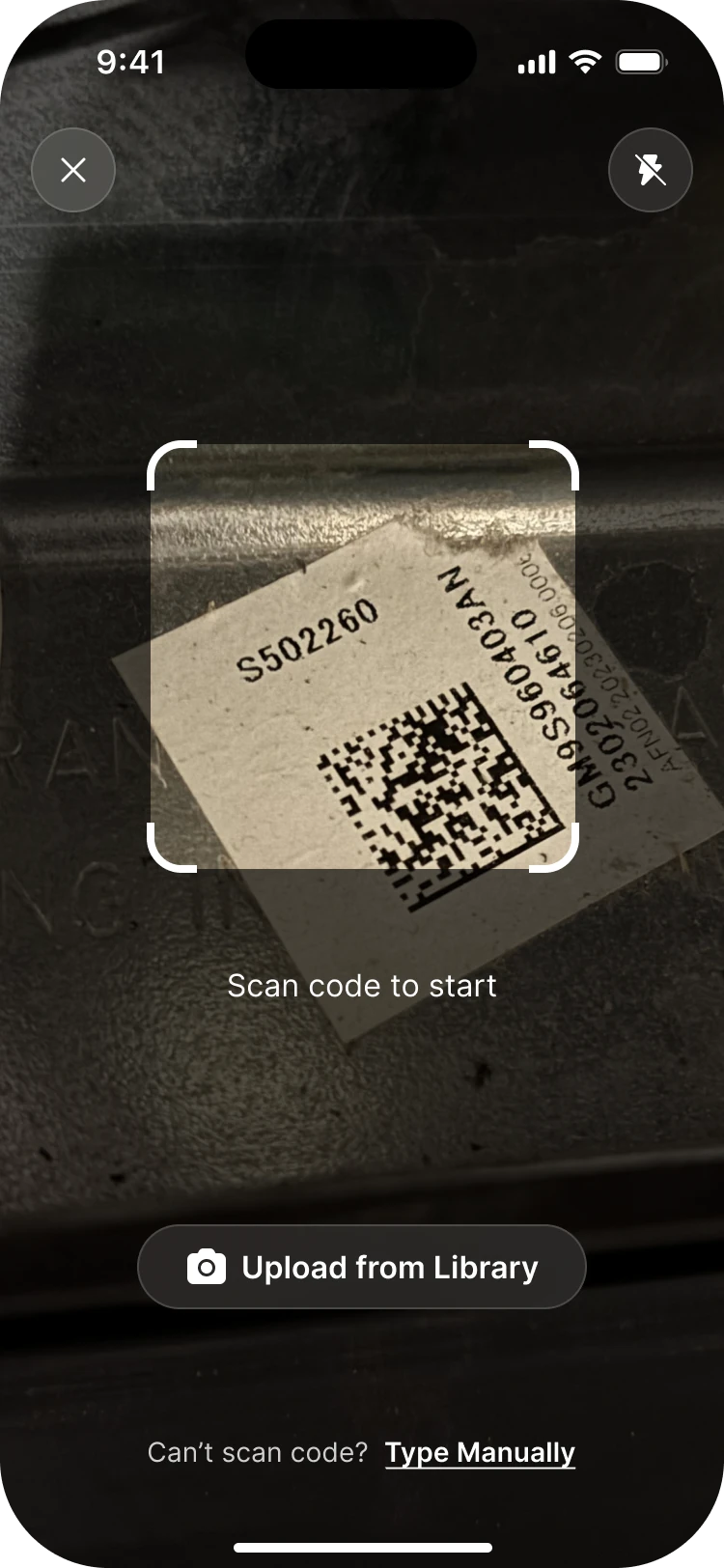
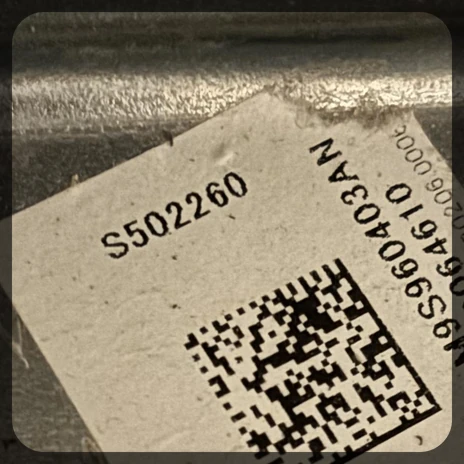

My original scan screen. Only the brackets are set in motion. Keep the unit in view.
The identified equipment becomes a card in the conversation. Model details stay beside the guidance, making it clear which unit the technician is troubleshooting.

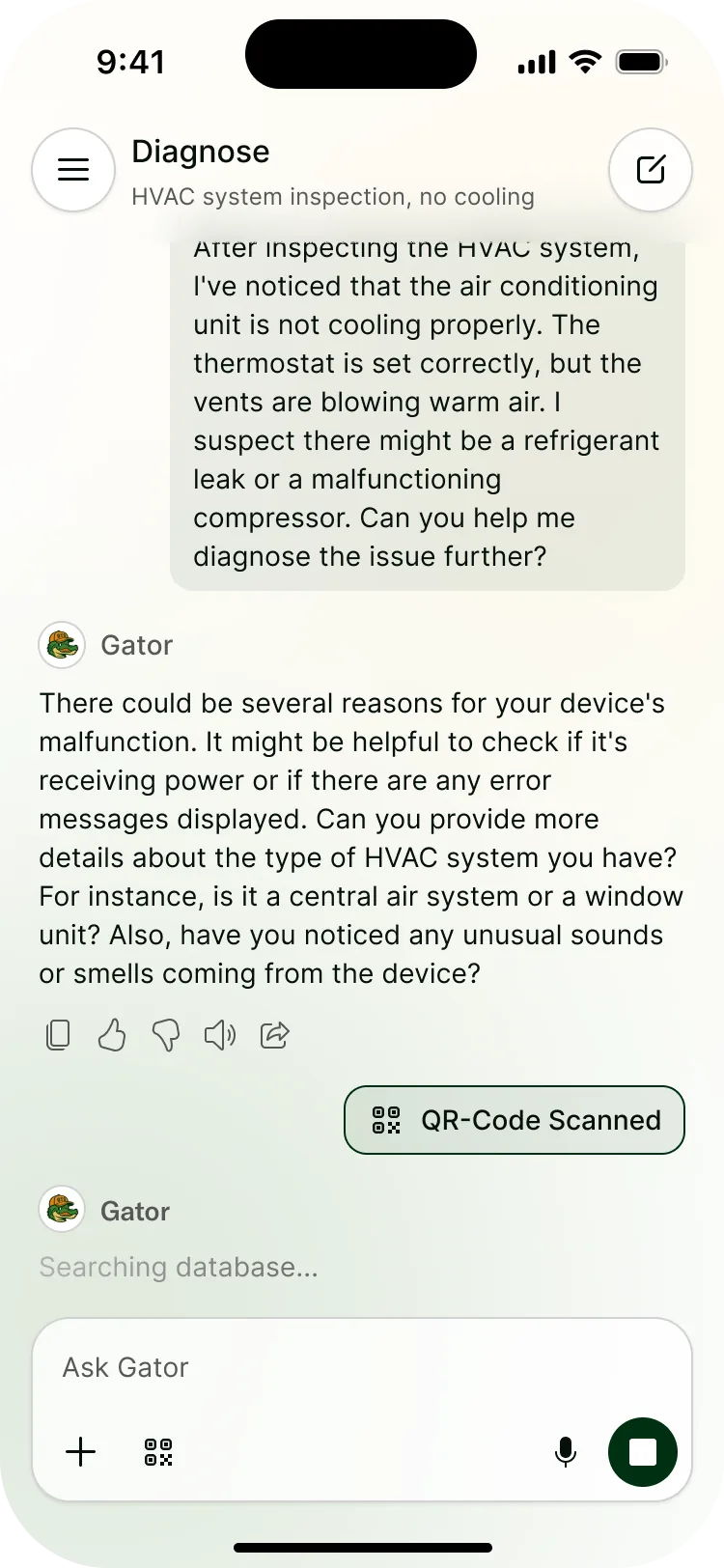

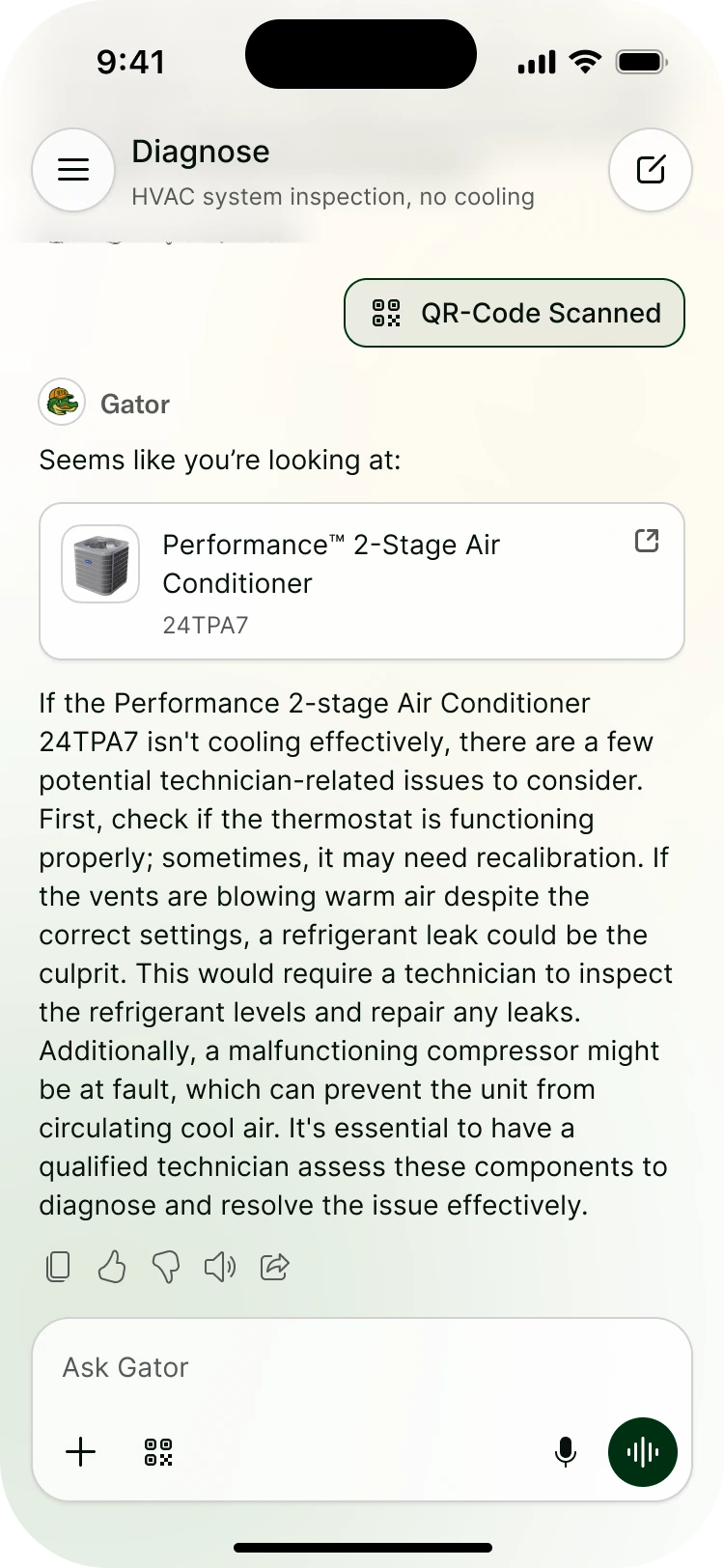
My original screens: Gator searches its database, then the exact unit joins the conversation. Make each next step explicit.
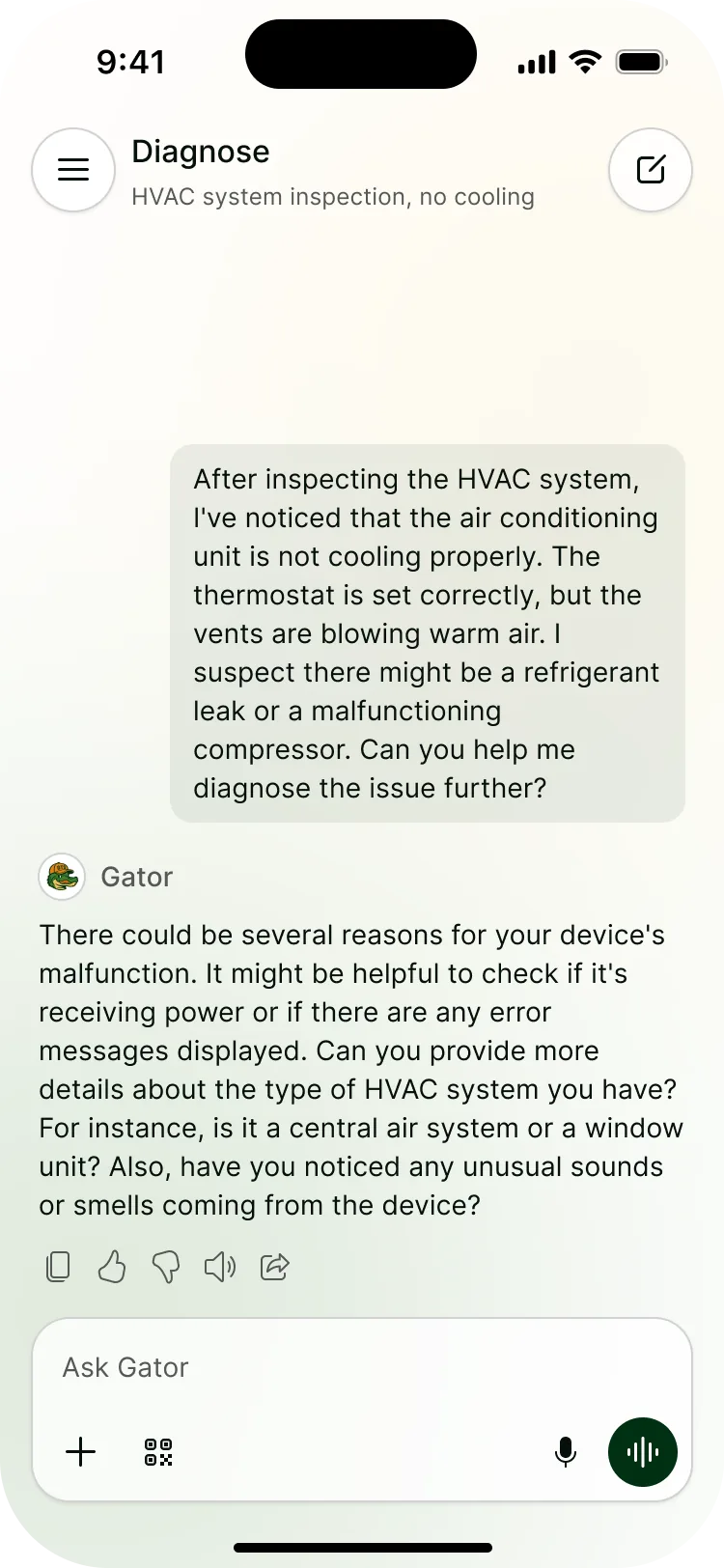
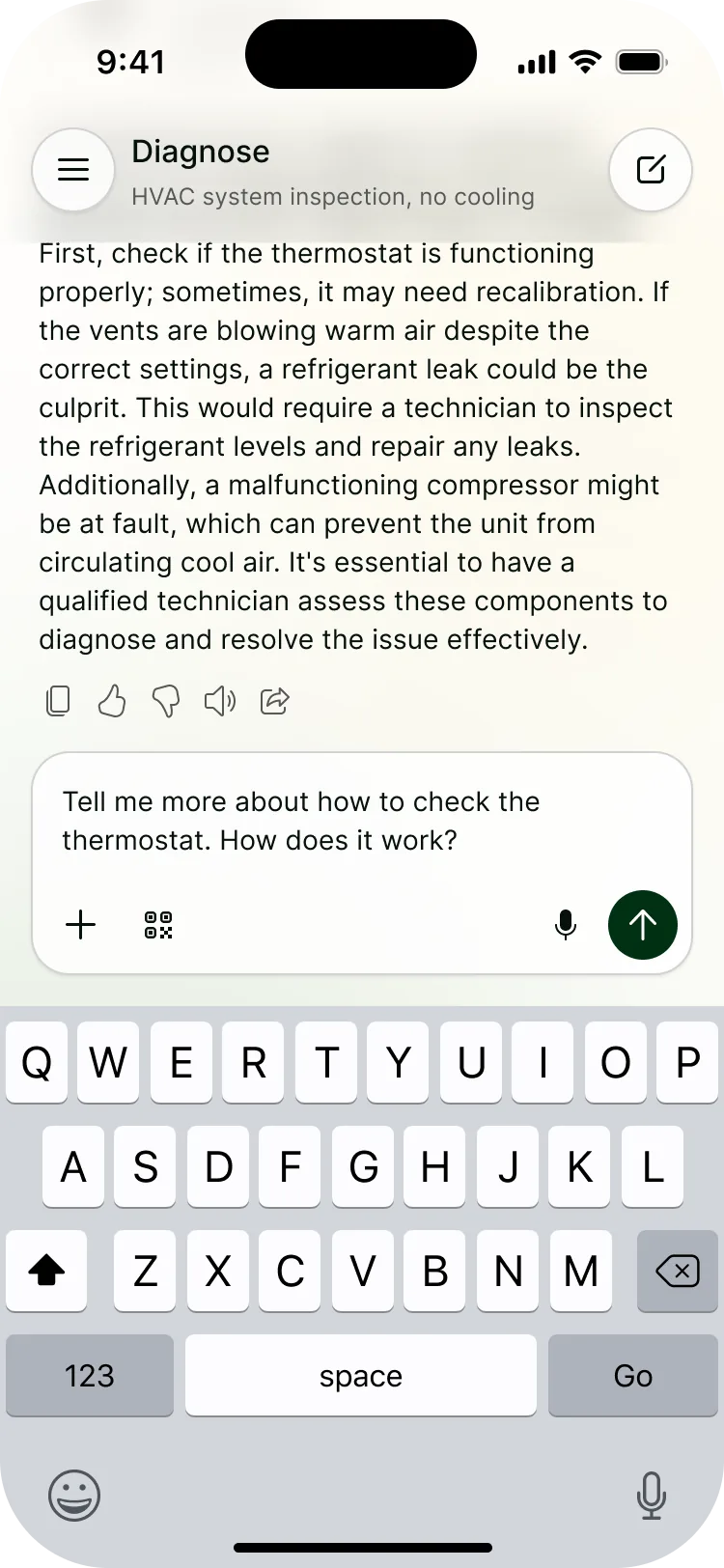
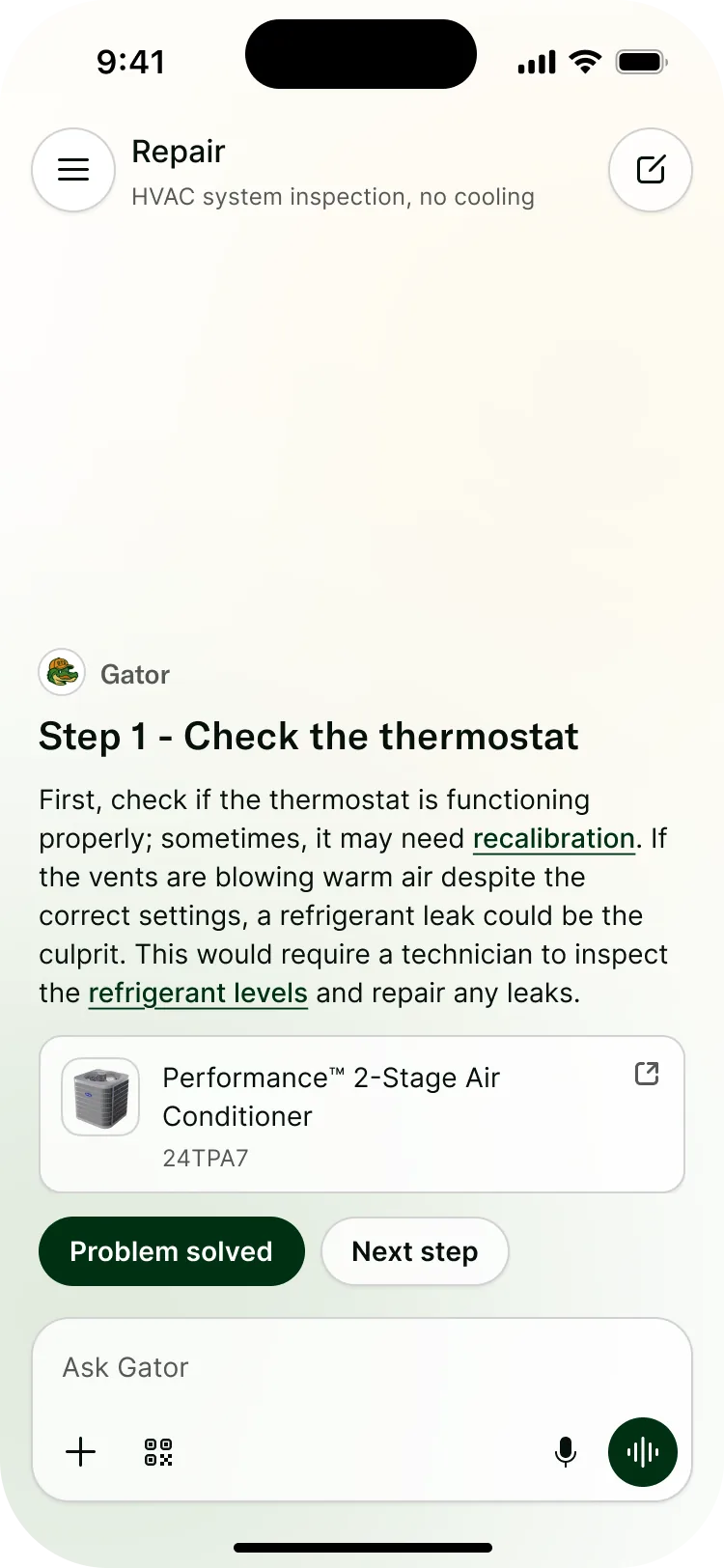
Repair becomes a sequence with “Problem solved” and “Next step” actions. The technician can still ask a question or open the equipment reference before continuing.
 Gator
Step 1 - Check the thermostat
First, check if the thermostat is functioning properly; sometimes, it may need recalibration. If the vents are blowing warm air despite the correct settings, a refrigerant leak could be the culprit. This would require a technician to inspect the refrigerant levels and repair any leaks.
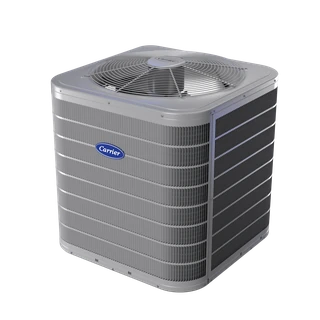 Performance™ 2-Stage Air Conditioner24TPA7

 Next stepGator
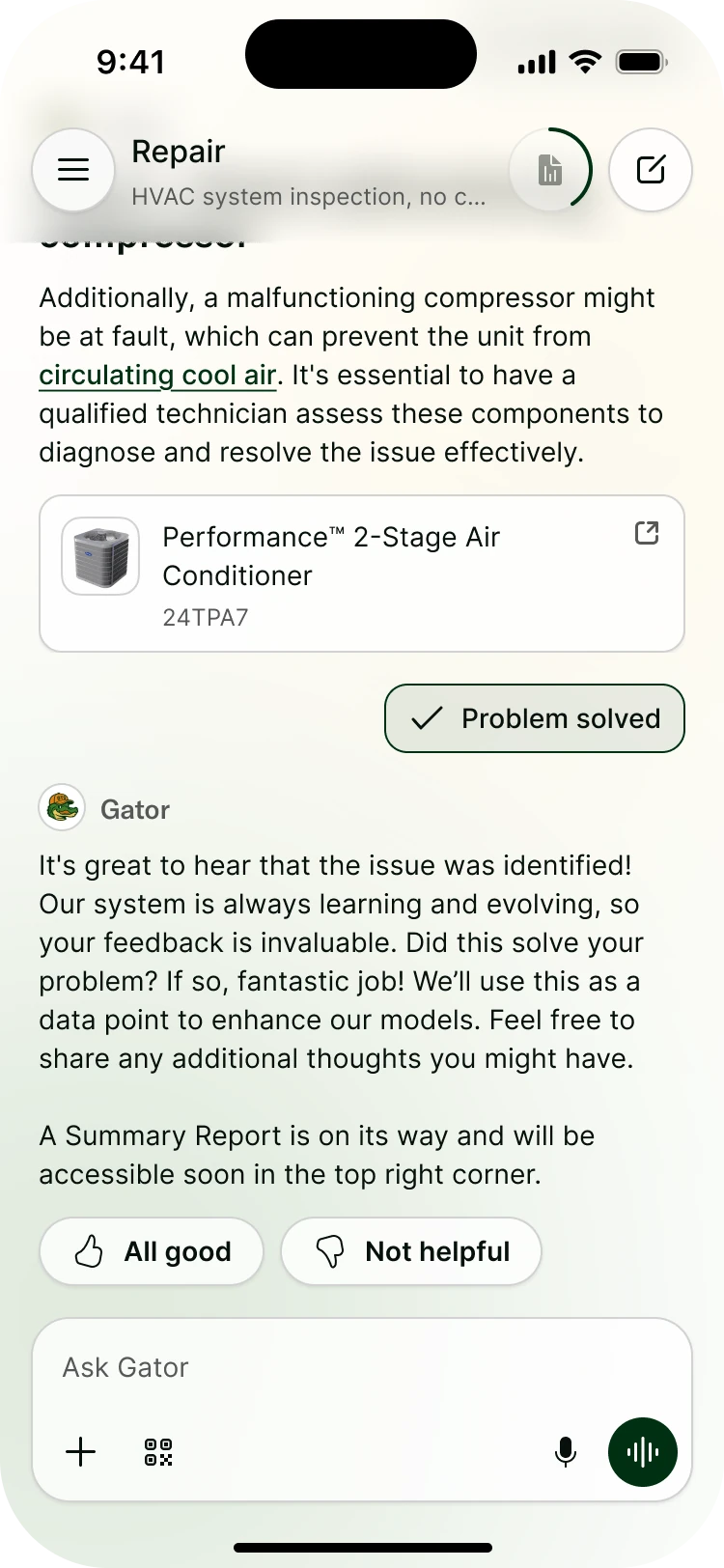
Step 2 - Check malfunctioning compressor
Additionally, a malfunctioning compressor might be at fault, which can prevent the unit from circulating cool air. It's essential to have a qualified technician assess these components to diagnose and resolve the issue effectively.
Performance™ 2-Stage Air Conditioner24TPA7Problem solvedNext stepAsk Gator


 RepairHVAC system inspection, no cooling
 9:41


My Repair screen, rebuilt in code, not a recording. Gator’s step 2 streams in token by token.
The conversation
A chat that feels like talking to a senior tech who’s been doing this for 20 years.
Voice mode
“The best interface for a technician with a flashlight is voice mode.”
Technicians often can’t hold a phone while they work. Voice strips the screen down to Gator, a microphone and a camera, and keeps the same repair going with both hands on the equipment.
A conversation, not voice commands. Gator listens, confirms and answers in the same warm tone as the chat, and the whole exchange stays in the job.

The working prototype, built from my original Figma screens.
Guided repair
Diagnosis is exploratory. Repair is procedural.
Diagnosis needs the flexibility of chat. Repair needs structure and confidence. When Gator has enough to go on, the interface changes its personality to match.
The original screens
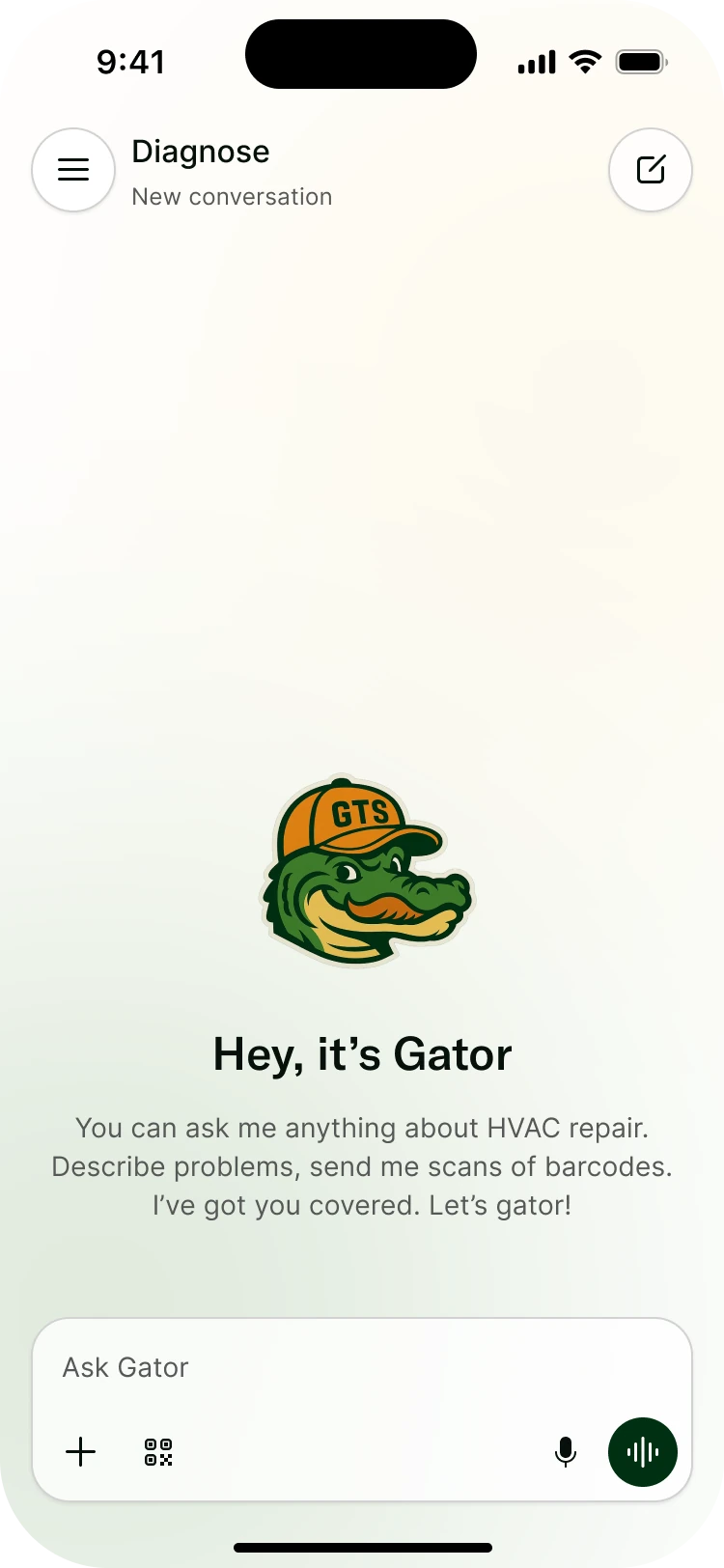
From hello to the summary report.
My Figma screens for the MVP, one job from start to finish.
Six weeks, zero to one
Discovery and definition, fast enough to keep a founder’s momentum.
- Discover
One to one with the founder
Discovery sessions with Gator’s founder to understand technicians, their jobs and the problem space.
- Storyboard
The happy path first
A storyboard narrative of the happy path, before any screens, so we agreed on the story the product had to tell.
- Design
One connected job
Onboarding, scanning, diagnosis, guided repair and voice, designed end to end as one job.
- Prototype
Every state documented
More than 30 unique screens in a full click-through prototype.
- Handoff
Ready to build
I prepared the files for development and walked the iOS developer through them.
The art is to bring next-gen AI to working class folks in a way that fits into their normal lives.
Credits
- Role
- Sole product designer
- Scope
- Discovery, storyboarding, interaction design, prototyping, design system
- Worked with
- Gator’s founder, directly; iOS developer
- Platform
- iOS native
- Timeline
- Six weeks, concept to a complete MVP definition
- Tools
- Figma, Figma prototyping, FigJam
The airflow identity in the opening scene, the eye and the lowercase wordmark, is my portfolio exploration, not Gator’s brand. The mascot belongs to the client. The field photograph is illustrative.